
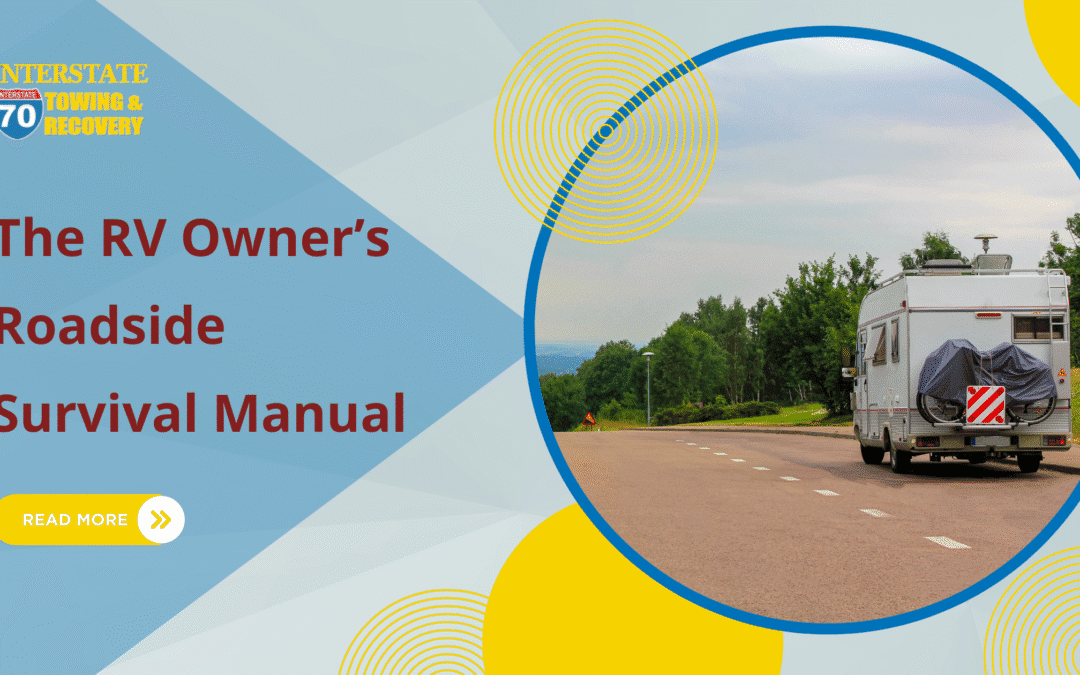
- Immediate roadside safety protocols are vital to protect your family and your rig before help arrives.
- Carrying a specialized emergency kit can prevent minor mechanical issues from becoming major vacation-ending disasters.
- Understanding when to call for heavy-duty towing makes sure your RV is handled with the proper equipment.
Traveling in a motorhome or pulling a fifth-wheel offers freedom few lifestyles can match, but it also comes with the responsibility of maintaining a large vehicle that can fail unexpectedly. We want to help you be prepared for those unexpected moments on the highway shoulder.
Being stranded isn’t part of the vacation plan, but every traveler may face it eventually. Proper preparation is more than checking tire pressure. Our team can guide you through essential steps to keep your family safe and your RV moving.
What to Do When Trouble Starts
If you feel a pull on the steering wheel or hear a pop, stay calm and act quickly. These signs mean something may be wrong and needs attention.
Choose a Safe Place to Stop
Your first priority is a flat, stable surface away from traffic. Highway shoulders are dangerous, especially for RVs, because of strong gusts from passing trucks.
Secure Your Vehicle Immediately
Once stopped, turn your wheels away from the road and engage the emergency brake right away. This helps prevent the vehicle from rolling if it’s hit or if a jack fails during a repair attempt.
Make Yourself Visible
Visibility keeps you safe. Turn on hazard lights immediately and keep them on until help arrives. The more visible you are, the more time other drivers have to react.
Why Preparation Matters for Your Peace of Mind
Many drivers are surprised by a flat tire or dead battery. This manual exists because an unprepared driver is vulnerable. With a plan and the right tools, you move from panic to calm, focused action.
Preparation Reduces Risk on the Road
According to the National Highway Traffic Safety Administration (NHTSA), many secondary roadside accidents happen because drivers don’t properly signal their presence to oncoming traffic. Being prepared helps reduce that risk and keeps you visible and safer in unexpected situations.
Confidence for Every Mile on I-70
Keeping a reliable survival manual in your glovebox isn’t just about protecting your vehicle, it’s about protecting your life. We believe every traveler along the I-70 corridor should feel confident and ready to handle roadside challenges when they arise.
The Essential RV Emergency Kit
Standard car kits aren’t enough for large RVs. Bigger rigs weigh more, stop longer, and face complex issues. A dedicated RV emergency kit helps you handle breakdowns safely. Store everything in a durable, weather-resistant bin in an easy-to-reach exterior compartment.
High-Visibility and Roadside Safety Gear
Visibility is critical when stopping on the roadside, especially at night or in bad weather. Carry reflective safety vests for every passenger so everyone is easy to see. Include at least three LED flares or DOT-approved warning triangles to alert oncoming traffic and create a safe buffer around your RV.
Communication and Navigation Tools
Staying connected can make a stressful situation much easier. Pack a high-capacity power bank to keep phones charged during long delays. A printed road atlas or regional map is also essential, particularly in remote or mountain areas where cell service may drop without warning.
Mechanical Tools and Tire Equipment
RV tires and components require tools rated for heavy-duty use. Include a bottle jack designed for your RV’s full weight, along with a torque wrench to properly tighten lug nuts. A tire pressure gauge that reads up to 120 PSI ensures your tires stay within safe limits before and after travel.
Fluids and Emergency Supplies
Mechanical issues and unexpected delays often involve fluid loss. Carry extra engine oil and coolant compatible with your RV. Keep several gallons of potable water on hand, which can be used for the radiator in an emergency and for drinking if you’re stranded longer than expected.
Navigating Heavy-Duty RV Recovery
Not every RV problem is a quick fix. When a breakdown goes beyond a flat tire, heavy-duty recovery is needed. Towing an RV is very different from towing a car and requires specialized equipment to protect the frame and fiberglass from damage.
Proper Equipment Matters
Heavy-duty recovery trucks handle large rigs’ size and weight using underlift systems to support axles safely. Standard tow trucks can cause costly damage and safety risks.
Be Ready With Key Details
When calling for help, know your RV’s height, weight, and length. This ensures the right truck arrives the first time, reducing wait time and keeping you safe in bad weather.
Stay Calm and Safe During Recovery
While waiting, park your RV safely off the road with hazard lights on. Keep passengers inside or in a safe area, and never try to move the RV yourself. Staying calm and following safety rules prevents accidents and ensures smoother recovery.
Advanced Roadside Management and Safety Protocols
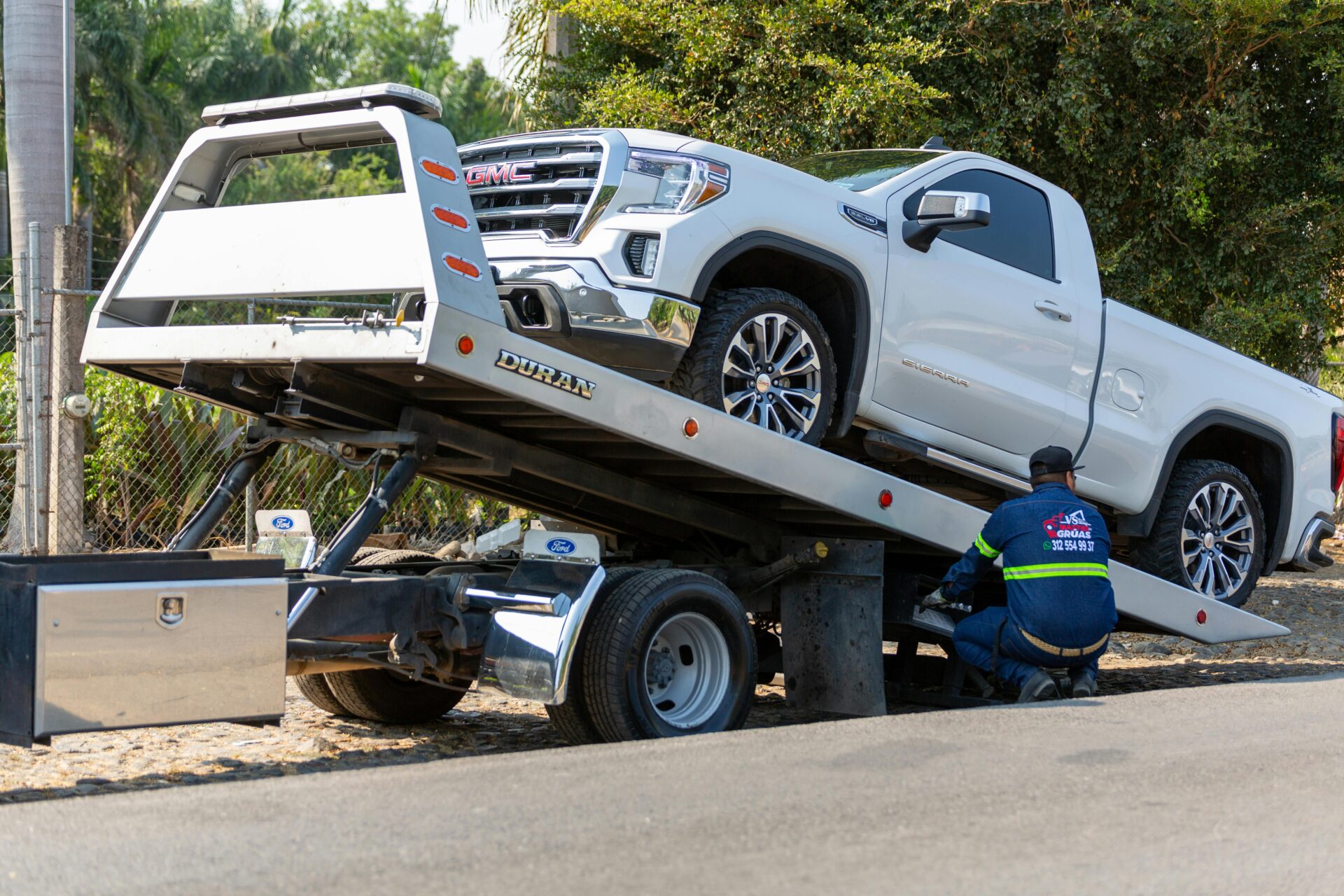
Breakdowns on high-speed roads require quick thinking and the right safety measures. Following proper roadside management protocols helps reduce risk, protects drivers and passengers, and allows recovery teams to work safely and efficiently.
Creating a Safe Perimeter Around Your Vehicle
Maintaining a safe perimeter is the most important step when stopped on a busy roadway. Create a visible buffer zone around your vehicle using flares or reflective triangles. This gives approaching drivers enough time to slow down and move over.
For best results, place markers approximately 10, 100, and 200 feet behind your vehicle. This is especially important on curves or hills where visibility is limited.
Managing Vehicle and Trailer Stability
Proper weight distribution is critical during a roadside stop. If you are towing a trailer, keep the connection secure while waiting for assistance. This helps prevent shifting on soft or uneven shoulders and keeps the unit stable.
Professional recovery teams are trained to inspect these connections before any lifting begins, ensuring the safety of both the vehicle and the trailer.
Seasonal Hazards and Your Rig
Weather affects RV safety, especially when stationary. In summer, asphalt can overheat tires. Check for “sidewall heat” if parked on hot pavement for long periods.
In the winter, ice can form rapidly under your leveling jacks, causing the rig to slide. Always use wooden or plastic pads under your jacks to maintain grip and prevent sinking into soft, frozen ground during an emergency stop.
Dealing With the I-70 Corridor
The I-70 corridor cuts through rugged mountain terrain and is known for challenging driving conditions year-round. Steep grades, high elevations, and fast-changing weather can quickly turn a routine drive into a stressful situation. Being prepared and knowing when to stop can make all the difference in protecting your vehicle and your safety.
Unique Mountain Driving Challenges
The I-70 highway places heavy demands on vehicles due to long climbs and sudden weather shifts. Engines, brakes, and transmissions often work harder at higher elevations. Even well-maintained vehicles can struggle in these conditions.
What to Do During a Breakdown
If you experience a breakdown, signs like smoking brakes or an overheating transmission are serious warnings. Do not try to push the vehicle to the next exit. Pull over immediately to prevent fire risks or major mechanical failure.
Experienced High-Altitude Recovery
We specialize in recoveries along I-70 and understand how thin air and steep terrain affect performance. Whether you are driving a 40-foot diesel pusher or towing a small travel trailer, this roadway demands caution and experience.
Help When You Need It Most
No matter the mile marker, our team is ready to respond when you need help most. We act quickly to get you off the roadway and safely on your way.
Conclusion and Final Steps
We hope this manual gives you the tools and the mindset needed to navigate your next roadside emergency with confidence. Keep your safety gear accessible and stay far from the flow of traffic during an emergency. Never hesitate to call professional recovery teams for complex repairs or heavy-duty towing needs. Prepare today so you can navigate your next American adventure with total confidence.
For 24-hour assistance or to learn more about our heavy-duty recovery services, visit Interstate 70 Towing & Recovery today. If you find yourself in a bind right now, Get in touch with us and we will get a truck out to your location immediately.